
Best 10 Graphics Tablets In India - 2025 Edition
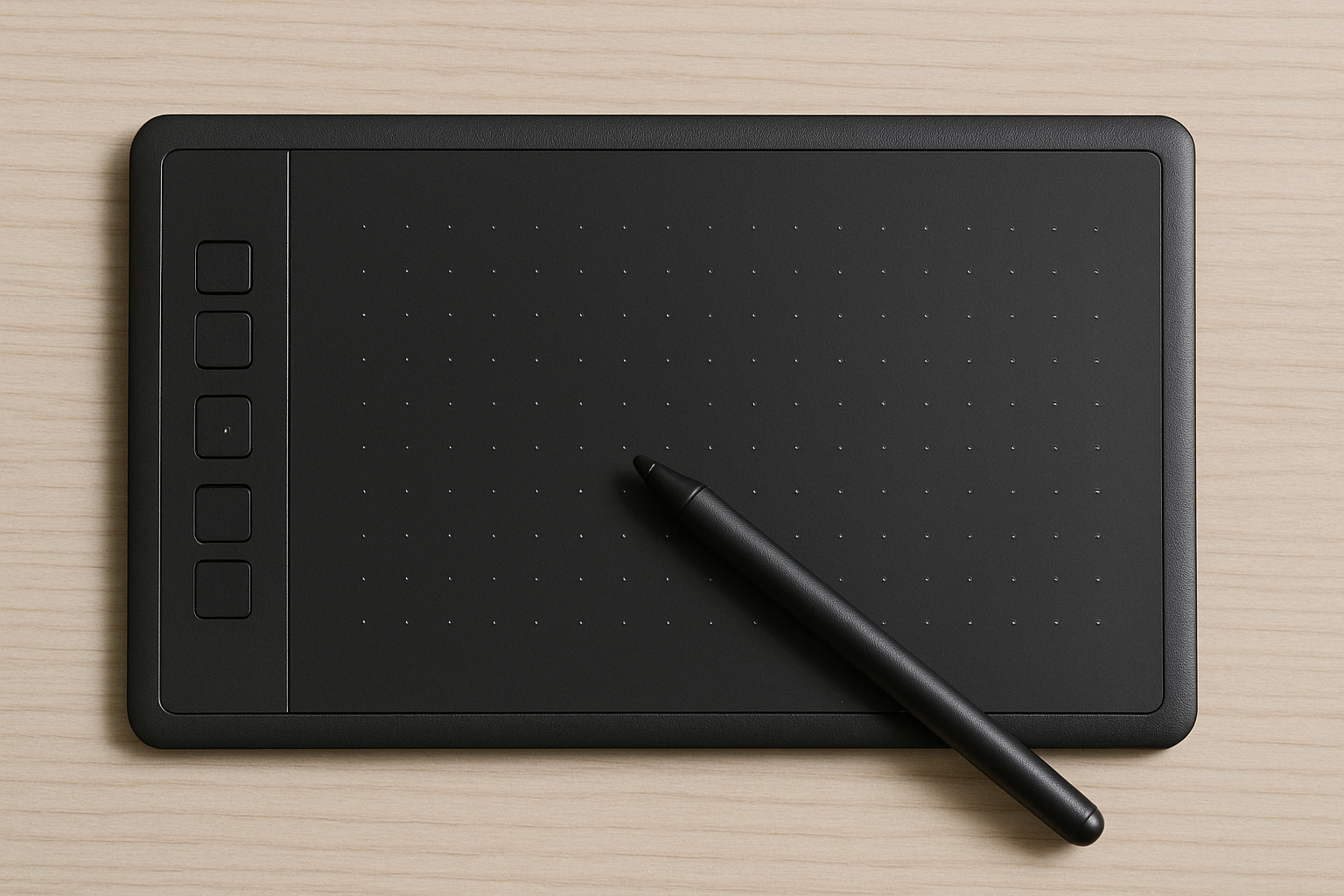
Choosing the right graphics tablet depends on your budget, usage, and required features. Different models vary in pressure sensitivity, resolution, and response speed. While basic tablets are great for beginners, advanced models offer features like customizable buttons, tilt support, and wireless connectivity. These devices provide a smooth and accurate drawing experience for artists and designers.
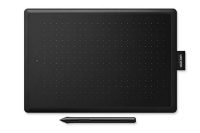
Wacom One by Medium Graphic Tablet 2540 lpi 216 x 135 mm USB, W125857177
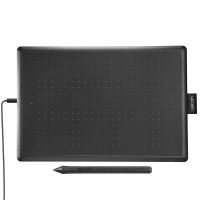
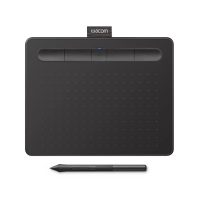
Wacom Intuos Bluetooth, Small Black Wireless Graphic Tablet, with 2 Free Creative Software Downloads
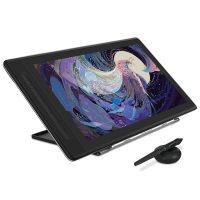
Huion Kamvas Pro 16 2.5K QHD Drawing Tablet with Screen QLED Full-Laminated Graphics Tablet with Battery-Free Pen
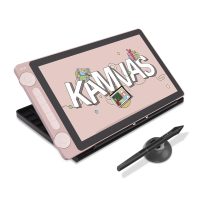
Huion Kamvas 13 (Gen 3) Drawing Tablet with Screen,13.3" Full-Laminated Art Tablet with Anti-Sparkle Canvas Glass

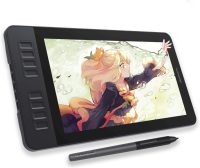
Gaomon PD1161 Drawing Tablet with Screen, Digital Art Tablet with Battery-Free Stylus

Veikk A15PRO Graphic Drawing Pen Tablet 10 * 6 inch with 12 Hotkeys and a Quick Dial Support Windows
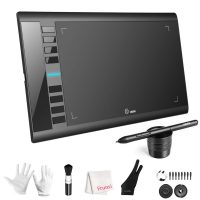
Ugee Graphics Drawing Tablet M708 10 X 6 Inch Large Active Area Drawing Tablet
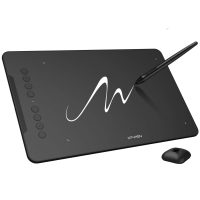
Types of Graphics Tablet: A Complete Overview
When selecting a graphics tablet, understanding the different types and technologies available can help you make the right choice. Tablets are typically divided into automatic (smart) and manual/standard categories, with additional types based on input style—non-display, display, pen computers, and hybrid models.
Smart / Automatic Graphics Tablets
These tablets come with advanced features like Bluetooth, gesture control, customizable shortcuts, and sometimes app connectivity. Some also include screen tablets with pressure detection, pen tilt, and auto-calibration features for high-end creative workflows.
✅ Pros:
Smart controls and automation enhance user experience
Ideal for professionals and digital artists
Often include display screens and advanced pen support
Can connect wirelessly to devices for a clean setup
❌ Cons:
Higher price range
May have a learning curve for beginners
Manual / Standard Graphics Tablets
These are non-display tablets that rely on mapping to your monitor. They are entry-level or mid-range devices with fewer smart features but excellent accuracy for drawing or note-taking.
✅ Pros:
Budget-friendly and reliable
Lightweight and portable
Full manual control with fewer distractions
Great for beginners and students
❌ Cons:
No screen – you must look at your monitor while drawing
Fewer advanced features
Pen Display Tablets
These tablets feature a built-in screen, allowing you to draw directly where you see. They offer high accuracy and are preferred by professionals in illustration, animation, and design.
✅ Pros:
Intuitive workflow—draw directly on screen
High-pressure sensitivity and color accuracy
Suitable for detailed artwork and client work
❌ Cons:
More expensive
Requires more desk space
Needs connection to a computer (in most models)
Pen Computers (Standalone Tablets)
These are all-in-one devices like Wacom MobileStudio Pro or iPad Pro with Apple Pencil, combining tablet + computer in one unit.
✅ Pros:
No need for an external PC
Ideal for mobility and on-the-go creatives
Premium pen accuracy and display quality
❌ Cons:
Very high price
May not support all desktop apps
Hybrid Graphics Tablets (Multi-Use Devices)
Some tablets support both graphic input and touchscreen features, or let you switch between non-display and display modes, giving you flexibility.
✅ Pros:
Combines best of both worlds
Useful for multi-tasking and cross-platform compatibility
Often includes programmable keys and stylus features
❌ Cons:
Costlier than basic tablets
Complexity may not suit beginners
Additional Features to Consider
When shopping for a graphics tablet, look for:
🎨 Pressure Sensitivity: 8192+ levels for detailed strokes
🖱️ Shortcut Keys: Custom keys to speed up workflow
📲 Wireless Support: Bluetooth or dongle-based freedom
🎯 Pen Tilt & Rotation: For advanced shading and brush effects
🔌 Connectivity Options: USB-C, HDMI, or standalone compatibility
🖥️ Screen Resolution (for display tablets): Full HD or higher
Final Thoughts
Graphics tablets come in different types—each built for a specific creative need. For professionals, display or smart tablets are ideal. Beginners can start with manual models to build skills before upgrading. Hybrid and pen computers offer ultimate flexibility for creators who want both mobility and precision.
Choose the model that suits your art style, workflow, and budget—and unlock your full creative potential
topreviewhome.com is a participant in the Amazon Services LLC Associates Program, an affiliate advertising program designed to provide a means for sites to earn advertising fees by advertising and linking to amazon.in.
© topreviewhome.com 2025 | All Rights Reserved.